
Confirm the freeze and find the pipe
A faucet that gives only a trickle, or nothing at all, is the classic sign. The Red Cross says to check pipes against exterior walls and where the water service enters through the foundation. Look in the crawlspace, the garage, under sinks on outside walls, and at the hose bib.
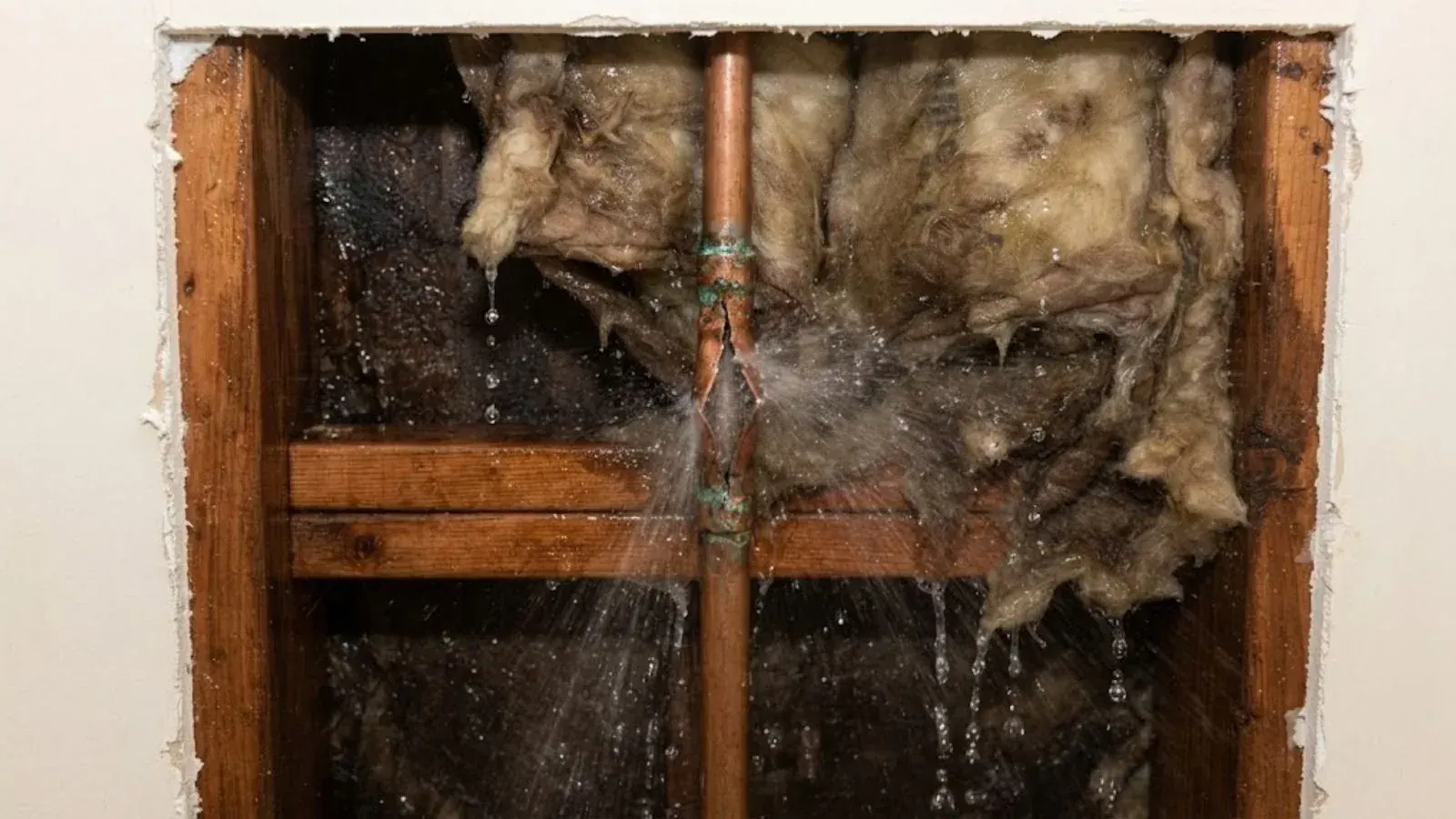
Check every other faucet in the house too. If one pipe freezes, others may be frozen as well. Note any bulge, frost, or wet spot on a pipe, since a split pipe changes what you do next.
How to thaw a frozen pipe safely
- Open the faucet served by the frozen pipe, so water can flow as the ice melts and relieve pressure.
- Warm the pipe with an electric heating pad wrapped around it, an electric hair dryer, or towels soaked in hot water. A space heater works if it sits well away from anything flammable.
- Keep heating the section until full water pressure returns.
- Check the other faucets and the pipe for leaks as the ice melts.
- If you cannot find the frozen spot, cannot reach it, or cannot thaw it, call a licensed plumber.
What never to use
The Red Cross warns against a blowtorch, a kerosene or propane heater, a charcoal stove, or any open flame device on a frozen pipe. Fire is the obvious risk.
Skip antifreeze in pool or sprinkler lines unless the manufacturer or installer says to use it. The Red Cross notes that antifreeze is harmful to people, pets, wildlife, and landscaping.
Not a good time for a DIY fix? The 24/7 line is open and the price comes first.
Call the 24/7 line (770) 214-4545If the pipe has already burst
The Insurance Information Institute puts the first step plainly. If your pipes burst, turn off the water. Know where the main shutoff is before you need it, and test that it turns. Then protect your valuables, stay clear of any room where water reaches outlets or appliances, and call an electrician or emergency line if you are unsure.
Dry the area properly, because water left in walls and floors invites mold. A split section needs a real repair, not tape. Our burst pipe repair team can cut out the damaged run and replace it, and you can call (770) 214-4545 any hour for emergency help.
Photos, receipts, and what to tell your insurer
The Insurance Information Institute says a standard homeowners policy is likely to cover most deep-freeze disasters and tells owners to call their insurance professional as soon as possible. Policies differ on details, so ask what yours requires. Good records make any claim easier.
- Photos and video of the frozen or split pipe and every wet area, taken before cleanup begins.
- A list of damaged items with the age and rough value of each.
- Receipts for emergency repairs, hotel stays, fans, and dehumidifiers.
- The plumber's written note on what failed and where.
- The damaged pipe section, if the plumber can hand it over.
- The date and time you found the problem and when you shut off the water.
Renters should send the same photos to the landlord in writing and keep copies. Tenants may also want to ask their own renter's insurer what it covers.
Where Georgia homes tend to freeze
| Location | Why it freezes | What to do |
|---|---|---|
| Outdoor hose bibs | Exposed to cold air and holds standing water | Remove hoses, close the inside valve, and open the outside bib so water can drain and expand |
| Crawlspace supply lines | Unheated space with little insulation | Insulate the space and wrap exposed lines in foam sleeves |
| Garage and attic lines | Cold air reaches the pipe | Keep the garage door closed and insulate lines in the attic |
| Pipes on exterior walls | Little or no wall insulation | Open the cabinet doors so warm room air reaches the pipe |
| Sprinkler and pool supply lines | Fully exposed | Drain them following the maker's or installer's directions |
These locations come straight from the Red Cross list of pipes that freeze most often. In a Georgia house, the vulnerable run is usually a short stretch that never sees heat, such as the line to a back hose bib.
A prevention checklist for the next cold night
- Let cold water drip from a faucet served by exposed pipes. Running water, even a trickle, helps keep pipes from freezing.
- Keep the thermostat at the same setting day and night, and set it no lower than 55 degrees if you leave town.
- Wrap exposed lines in foam sleeves, or use UL-listed heat tape or cable following the maker's directions.
- Leave cabinet doors open under sinks on exterior walls.
- Know where the main shutoff is and make sure the valve turns.
- Drain pool and sprinkler lines using the maker's directions.
None of these steps costs much, and the Red Cross points out that a higher heating bill for a few nights beats a much more expensive repair. Do the work in the fall, when the weather is mild enough to work in the crawlspace.
Rentals, vacant homes, and trips out of town
Roughly six in ten Union City households rent, so many frozen pipe calls start with a tenant. Tell the landlord in writing as soon as you see a trickle, and attach photos. The owner decides who does the repair, and a clear paper trail protects you if damage spreads.
Vacant homes freeze first, because no one is there to notice a trickle. The Red Cross says to leave the heat on at no lower than 55 degrees when you travel in cold weather. The Insurance Information Institute also suggests asking a neighbor to check the house regularly while you are away.
After the thaw, check faucets and fittings
A pipe can freeze without splitting and still leave damage at fittings, valves, and faucets. After the ice melts, run every tap and look under each sink for drips. A faucet that now drips or a cracked supply line may need a faucet repair before it turns into a larger leak.
Homes in Fairburn and Palmetto share the same exposure, since the freeze risk comes from how a house is built and where its pipes run. If water pressure stays weak after a long thaw, there may be another frozen section you have not found.
What frozen pipes mean in Union City, GA
In January 2024, a cold snap sent burst pipes and water main breaks across metro Atlanta, and Atlanta Watershed Management crews responded to multiple main break calls. A master plumber quoted by Atlanta News First said that Georgia homes generally have little insulation. The lesson for a Union City home is to treat crawlspace, garage, and outdoor lines as your weak points before the next cold stretch.
Union City owns and maintains its own water distribution system, with 112 miles of water line. After a freeze, a street-wide loss of water points to a main break or a system problem outside your meter. Call the city water office at (770) 306-6855 when neighbors are affected, and call a plumber when only your home is dry.
Questions homeowners ask
Open the faucet, then apply gentle heat with a heating pad, a hair dryer, or towels soaked in hot water. Keep heating until full pressure returns. Never use a blowtorch or other open flame. If you cannot reach the frozen section, call a licensed plumber.
No. Water expands as it freezes, and the Red Cross says that pressure can break metal or plastic pipes. Some pipes survive. Leaks often show up as the ice melts, so watch the area and be ready at the main shutoff.
Yes, on faucets served by exposed pipes. The Red Cross says running cold water through the pipe, even at a trickle, helps prevent freezing. Combine it with open cabinet doors and a steady thermostat.
The Insurance Information Institute says a standard policy is likely to cover most deep-freeze disasters. Policies differ, so call your insurer as soon as possible and ask what it requires. Take photos before you clean up.
The Red Cross lists an electric hair dryer and a portable space heater kept away from anything flammable as acceptable heat sources. Keep cords and heaters out of any standing water.
That points to a problem outside your meter. Call the Union City water office at (770) 306-6855, and ask whether crews are working on a main. If only your home is without water, check for frozen pipes and call a plumber.